How Dust and Allergens Build Up in Window Treatments
Cleaning professionals can help remove dust and allergens that build up in window treatments, improving air quality and making your home healthier.
If you’ve ever wondered why your window treatments seem to attract dust and allergens over time, you’re in the right place. Understanding how dust and allergens build up in window treatments can help property owners in the area maintain a cleaner, healthier living or working environment. These accumulations are a common concern, especially in spaces with high traffic or exposure to outdoor elements. Exploring this topic can reveal practical reasons to consider professional cleaning services, which can effectively remove trapped particles and improve indoor air quality.
Many local contractors offer specialized services to address dust and allergen buildup in window treatments, helping property owners keep their spaces fresh and allergen-free. Regular cleaning not only enhances the appearance of window coverings but also supports overall health by reducing potential irritants. Whether dealing with curtains, blinds, or shades, understanding the causes of dust and allergen accumulation can empower property owners to make informed decisions about maintenance. Keep reading to learn more about how these particles settle and how local service providers can assist in keeping window treatments clean and inviting.
- Dust and allergen removal from window treatments - homeowners noticing increased allergy symptoms may seek local contractors to thoroughly clean accumulated dust and allergens.
- Deep cleaning of fabric or blinds - when dust and allergens build up over time, local service providers can perform detailed cleaning to improve indoor air quality.
- Allergen-sensitive window treatment cleaning - individuals with allergies or respiratory issues may need specialized cleaning services to reduce airborne irritants trapped in window coverings.
- Scheduled maintenance for window treatments - regular cleaning helps prevent dust and allergens from accumulating excessively, with local pros offering routine cleaning options.
- Removing dust and allergens from hard-to-reach window areas - for treatments that collect dust in difficult spots, local contractors can provide targeted cleaning to ensure thorough removal.

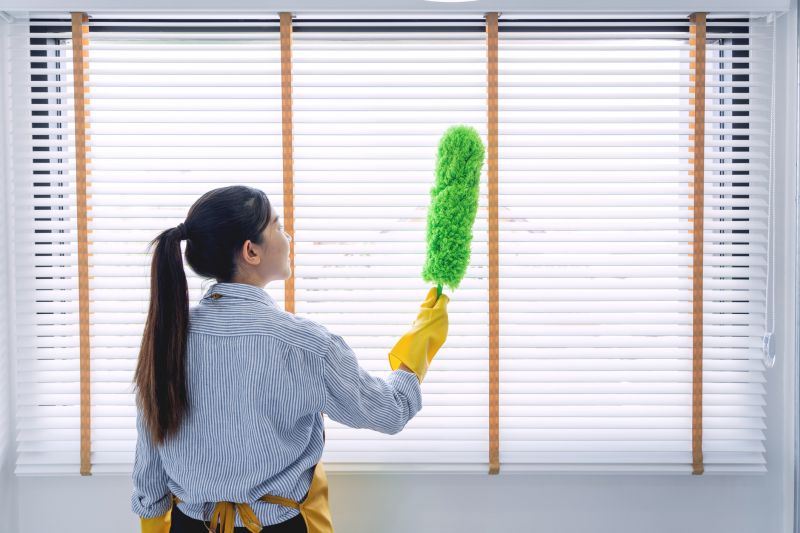
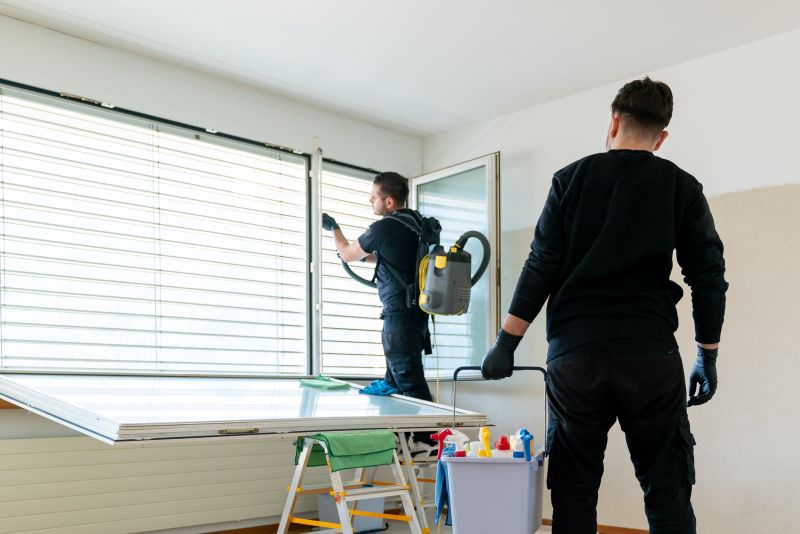
When people search for information about how dust and allergens build up in window treatments, they are often concerned about indoor air quality and the cleanliness of their living spaces. Over time, curtains, blinds, drapes, and other window coverings can accumulate dust, pollen, pet dander, and other airborne particles. This buildup can make a room feel less fresh and may even trigger allergy symptoms or respiratory issues for sensitive individuals. Homeowners interested in maintaining a healthier environment often look into ways to reduce these allergens, which frequently leads to inquiries about professional cleaning options for window treatments.
This topic is closely linked to common home improvement and health-related concerns. Many property owners consider cleaning or replacing window treatments when they notice increased dust or signs of allergen buildup, especially in homes with allergy sufferers or pets. It can also be part of a broader plan to improve overall indoor air quality or prepare a space for a move or renovation. Understanding how dust and allergens settle into window coverings helps homeowners develop effective cleaning routines and decide when professional help might be necessary to thoroughly remove accumulated debris that regular dusting cannot reach.
The types of properties that typically come up in discussions about dust and allergen buildup include residential homes, apartments, condos, and sometimes commercial spaces like offices or retail stores. In residential settings, bedrooms and living rooms often see the most concern because these are the spaces where people spend significant time and where allergens can cause discomfort. For multi-story homes or properties with large windows and extensive window treatments, the challenge of keeping these areas free of dust becomes even more apparent. Property owners with heavy drapes or intricate blinds may find that DIY cleaning isn't enough, making professional services a practical solution to maintain a healthier indoor environment.
Local service providers who specialize in window treatment cleaning are well-positioned to assist with these concerns. They can evaluate the extent of dust and allergen buildup, recommend appropriate cleaning methods, and perform thorough cleaning that goes beyond what typical household routines can achieve. These professionals use specialized equipment and techniques to remove embedded dust and allergens from various types of window coverings, helping to improve indoor air quality and reduce allergy triggers. For homeowners facing ongoing issues with dust accumulation or wanting to prevent allergen buildup, connecting with experienced local contractors can be an effective way to keep window treatments clean and contribute to a healthier living space.
Upholstery Cleaning - upholstery cleaning involves removing dust, allergens, and debris from fabric surfaces, similar to cleaning window treatments to reduce allergen buildup.
Air Duct Cleaning - air duct cleaning focuses on removing dust and allergens from ventilation systems, which complements efforts to improve indoor air quality affected by window treatment dust accumulation.
Blinds and Shade Restoration - professionals specializing in blinds and shades can effectively clean and restore window coverings, addressing dust buildup similar to that in curtains and drapes.
Carpet and Rug Cleaning - carpet cleaning involves deep removal of dust and allergens, paralleling the techniques used to clear buildup in fabric window treatments.
Curtain and Drapery Cleaning - expert curtain cleaning directly relates to removing dust and allergens from fabric window treatments, ensuring a healthier indoor environment.
HVAC System Maintenance - HVAC maintenance helps control dust circulation in indoor spaces, reducing the amount of allergens that settle on window treatments over time.
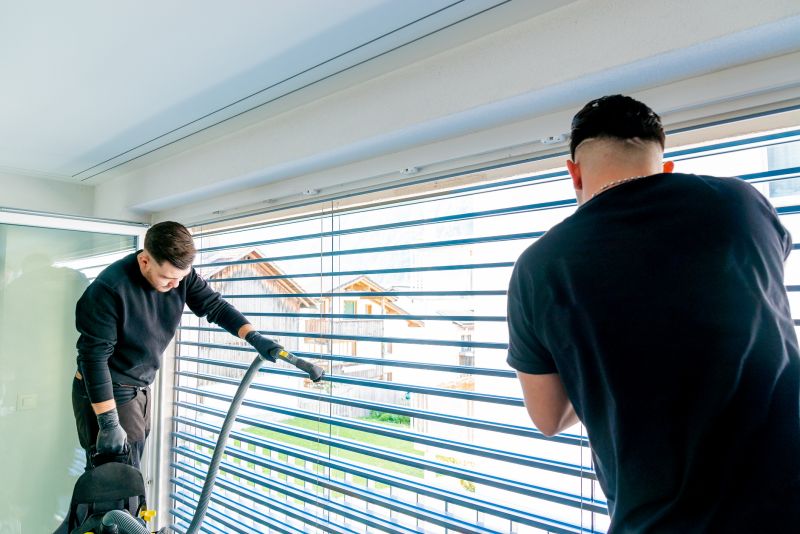
When comparing service providers for dust and allergen window treatment cleaning, it’s important to consider their experience with similar projects. Homeowners should look for local contractors who have a track record of handling window treatments comparable to those in their homes, whether they are curtains, blinds, or shades. An experienced provider will understand the specific challenges associated with different types of window treatments and be better equipped to deliver thorough cleaning that minimizes dust and allergen buildup. Asking about past work or seeking references can help gauge a contractor’s familiarity with the task and their ability to meet expectations effectively.
Clear written expectations are essential when selecting a service provider for this type of cleaning. Homeowners should ensure that the scope of work, cleaning methods, and any special considerations are clearly outlined before work begins. This helps prevent misunderstandings and ensures that the cleaning process addresses dust and allergens comprehensively. Service providers who communicate their process openly and provide detailed descriptions of what will be done can help homeowners feel confident that their window treatments will be properly cleaned and maintained.
Reputable references and good communication are key factors in choosing the right local contractor. Homeowners should seek out providers who can offer references from previous clients with similar cleaning needs, providing insight into the quality of work and reliability. Additionally, a provider who maintains open and responsive communication can better accommodate specific concerns or questions about dust and allergen buildup. When service providers are transparent and approachable, it fosters a smoother process and helps ensure that the cleaning results meet expectations for healthier, cleaner window treatments.
Property owners often search for how dust and allergens build up in window treatments when they are planning practical projects around their homes and businesses. Local pros provide Dust and Allergen Window Treatment Cleaning services for everyday jobs and straightforward project options.
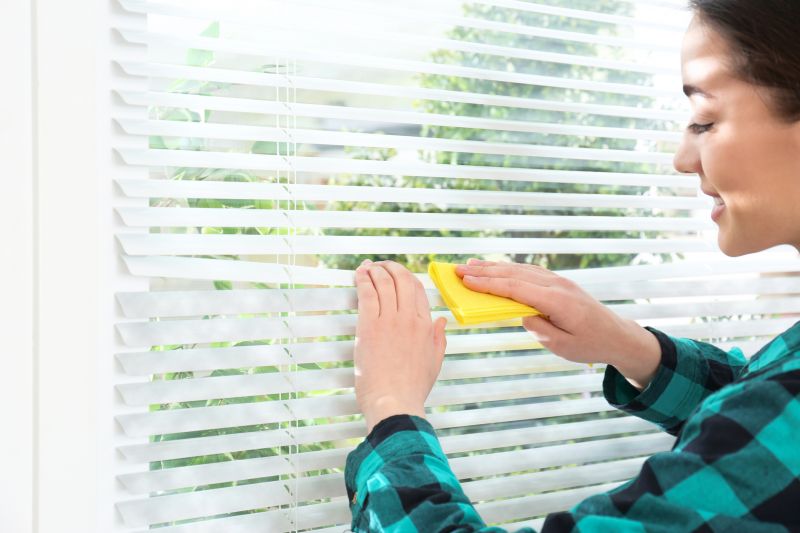
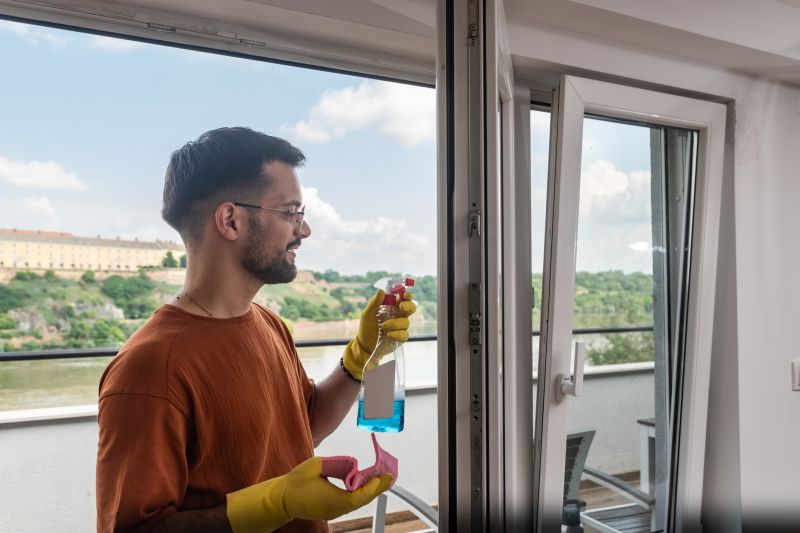
Dust and allergens tend to accumulate in window treatments over time, especially in homes where windows are frequently open or heating and cooling systems circulate air constantly. Fabric curtains, blinds, and shades can trap particles from everyday activities, pet dander, pollen, and dust mites, creating a layer of buildup that can be difficult to remove with regular dusting. Property owners often notice that their window treatments look dull or feel dusty, prompting them to seek professional cleaning services that specialize in removing allergens and grime from these surfaces.
For those concerned about indoor air quality or simply wanting to keep their living spaces clean, hiring local contractors who offer dust and allergen window treatment cleaning can be an effective solution. These service providers use specialized techniques and equipment to thoroughly clean and refresh window coverings, helping to reduce dust and allergen buildup. Connecting with experienced local pros can ensure that window treatments are properly maintained, making it easier to enjoy a cleaner, healthier home environment.
How do dust and allergens accumulate in window treatments? Dust and allergens settle on window treatments through everyday air circulation, especially in areas with higher indoor activity or poor ventilation, leading to buildup over time.
Why do certain types of window treatments trap more dust and allergens? Fabric and textured window treatments tend to trap more dust and allergens because their surfaces can hold particles more easily compared to smooth or hard materials.
How does regular cleaning help reduce dust and allergen buildup? Regular cleaning by local contractors can remove surface dust and prevent deeper accumulation, improving indoor air quality and reducing allergy triggers.
What causes dust and allergens to build up more quickly in window treatments? Increased indoor activity, pet dander, and poor air filtration can accelerate dust and allergen accumulation in window treatments.
How can professional cleaning services improve the removal of dust and allergens? Professional cleaning services use specialized tools and techniques to thoroughly remove dust and allergens from various window treatment materials, enhancing indoor air quality.
Understanding dust accumulation - property owners can identify areas where dust and allergens tend to settle on window treatments to prioritize cleaning efforts with local contractors.
Choosing appropriate cleaning methods - selecting the right cleaning techniques based on fabric or material type helps reduce allergen buildup and improve indoor air quality.
Scheduling regular cleanings - establishing routine cleaning plans with local pros can prevent excessive dust and allergen accumulation over time.
Using protective measures - applying dust-resistant treatments or covers can minimize future buildup and make cleaning easier for property owners.
If you are thinking about how dust and allergens build up in window treatments for a property, this guide is meant to help you understand this topic, the typical project types, and how different options might fit your plans.
When you are ready, you can use the quote form on this page to share a few details about your project. From there, local pros can review the basics and follow up with options that match what you have in mind.